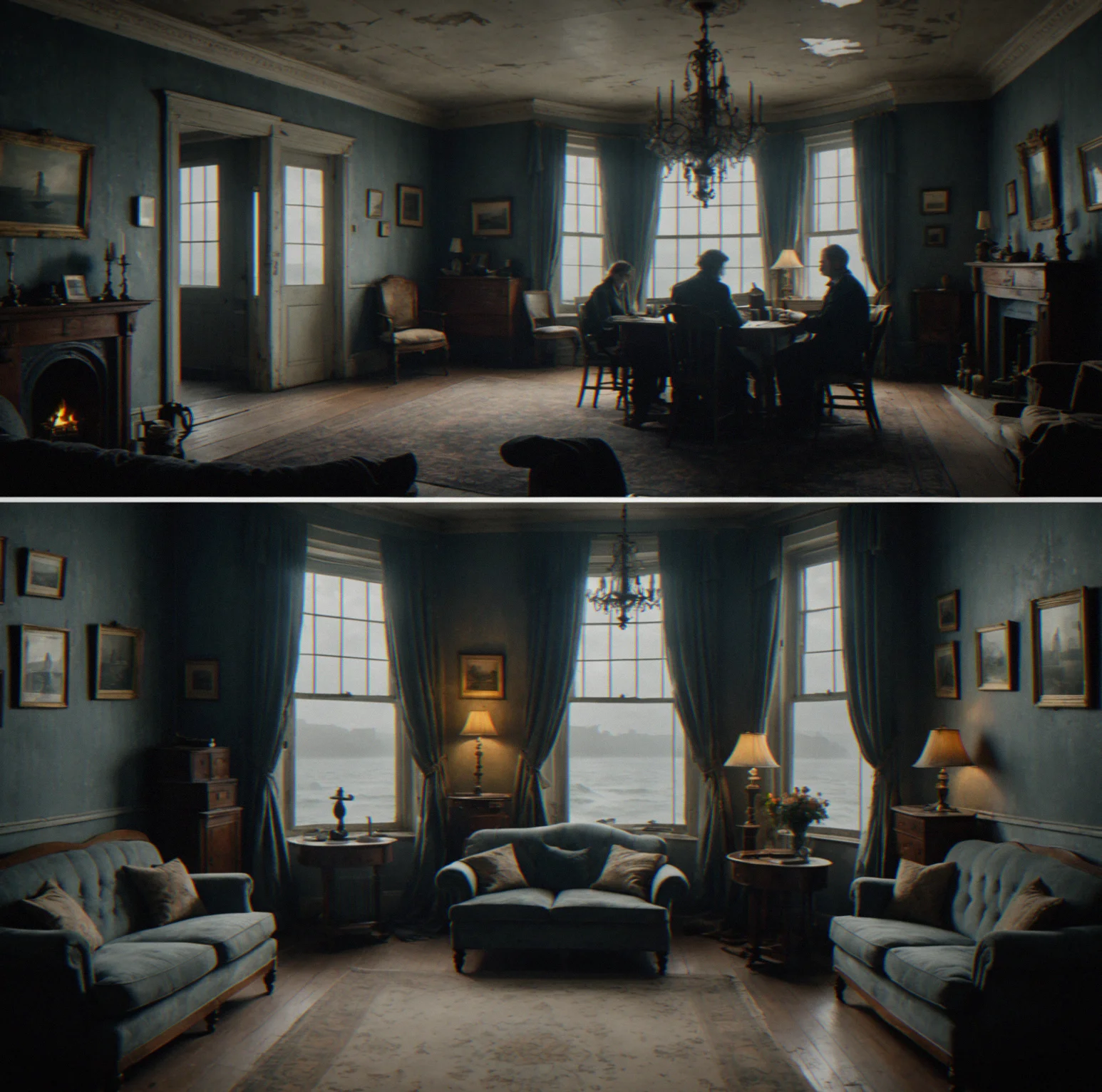
Single Location, Infinite Depth
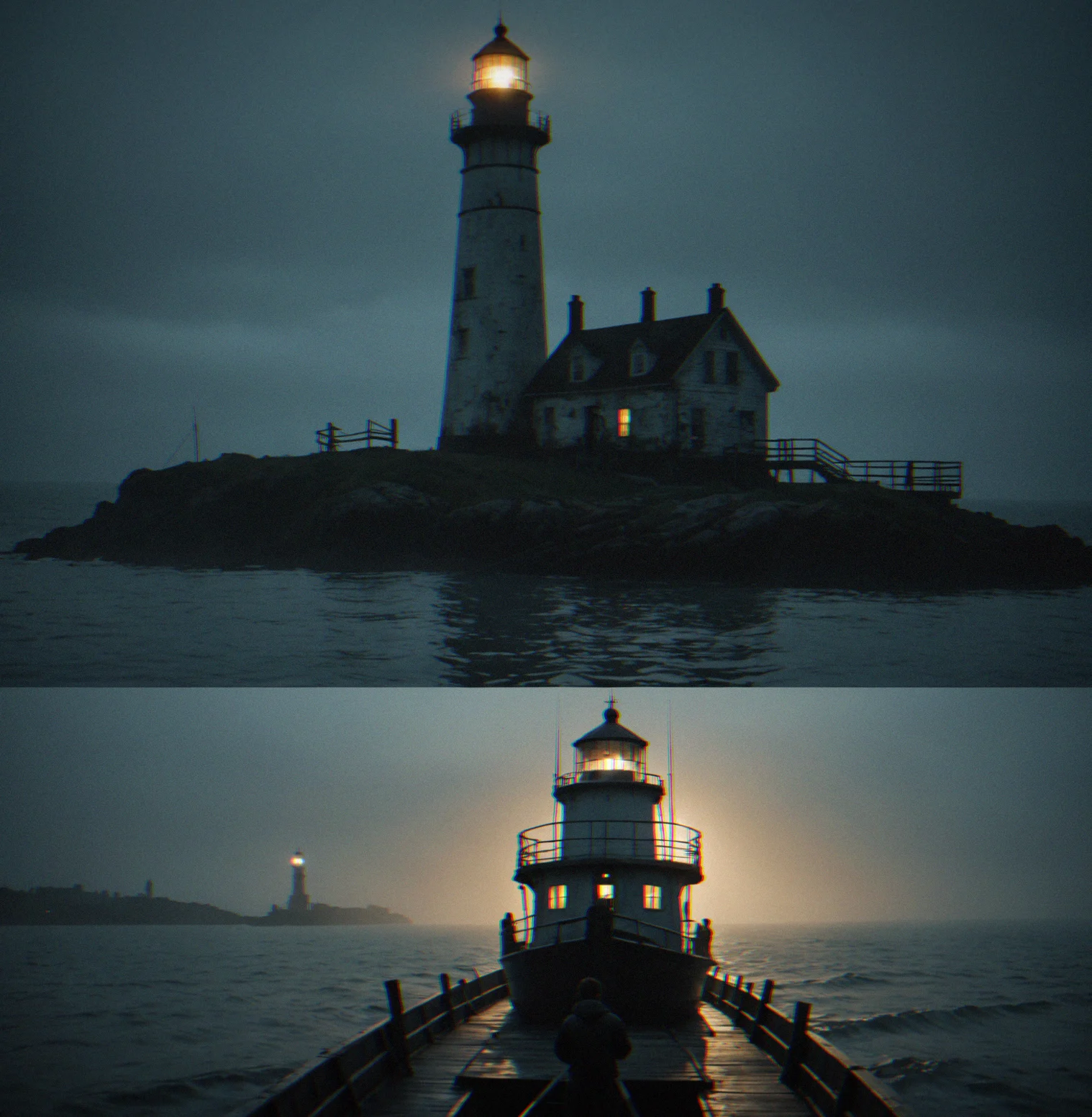
Honest Cove doesn't grow. You're walking the same streets, through the same buildings, past the same harbor across nine days. That repetition becomes your advantage—you start noticing what shifted, what stayed frozen in place, and what people conveniently left out of their first answer.
Branching Dialogue That Sticks
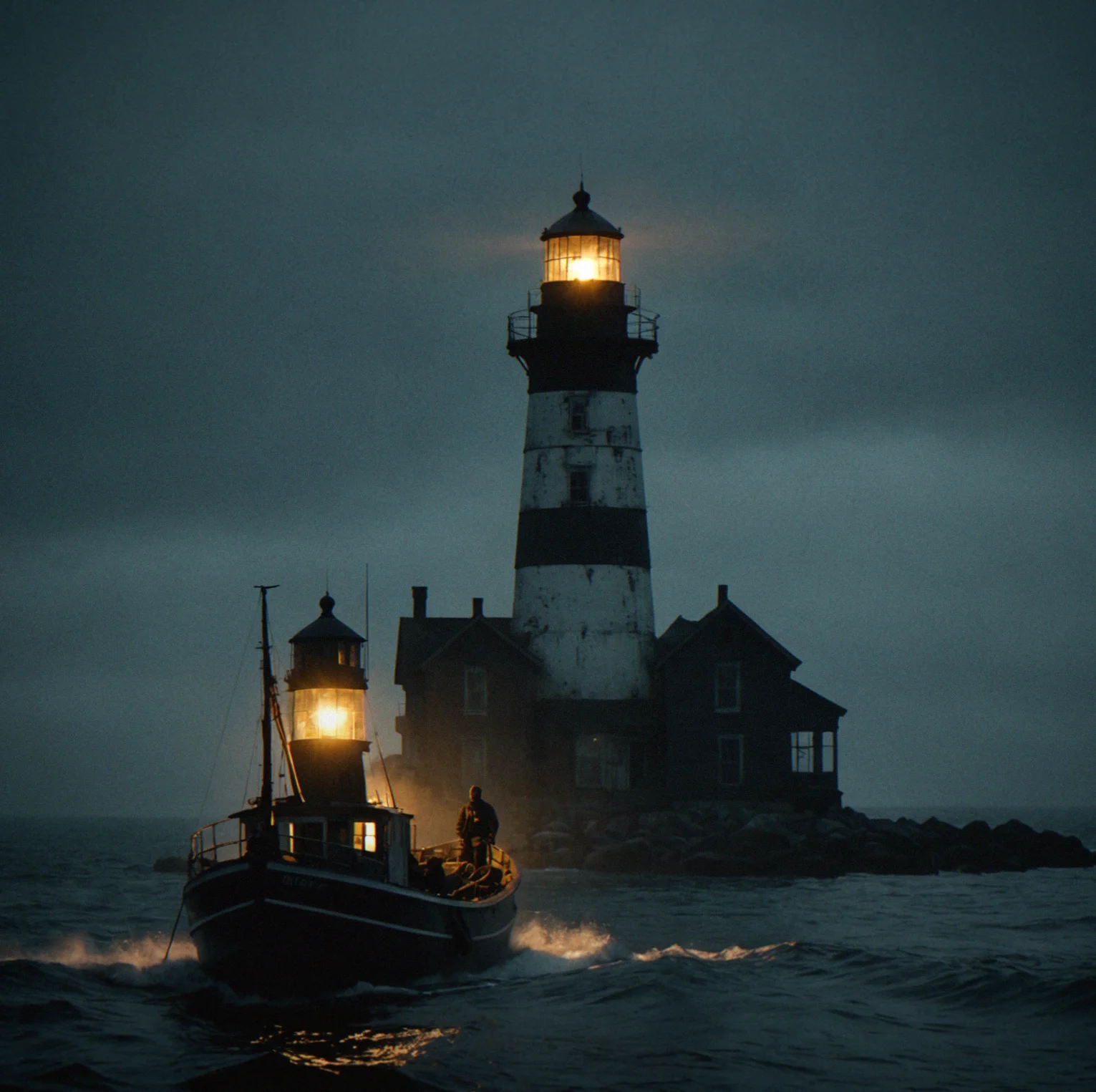
Every choice you make in a conversation stays with you. Mention to the harbormaster on day two that you suspect the lighthouse keeper, and he'll bring it back up on day eight. Characters will contradict you, walk back what they said earlier or dig in harder depending on what you've already told them.
Investigation Without Markers
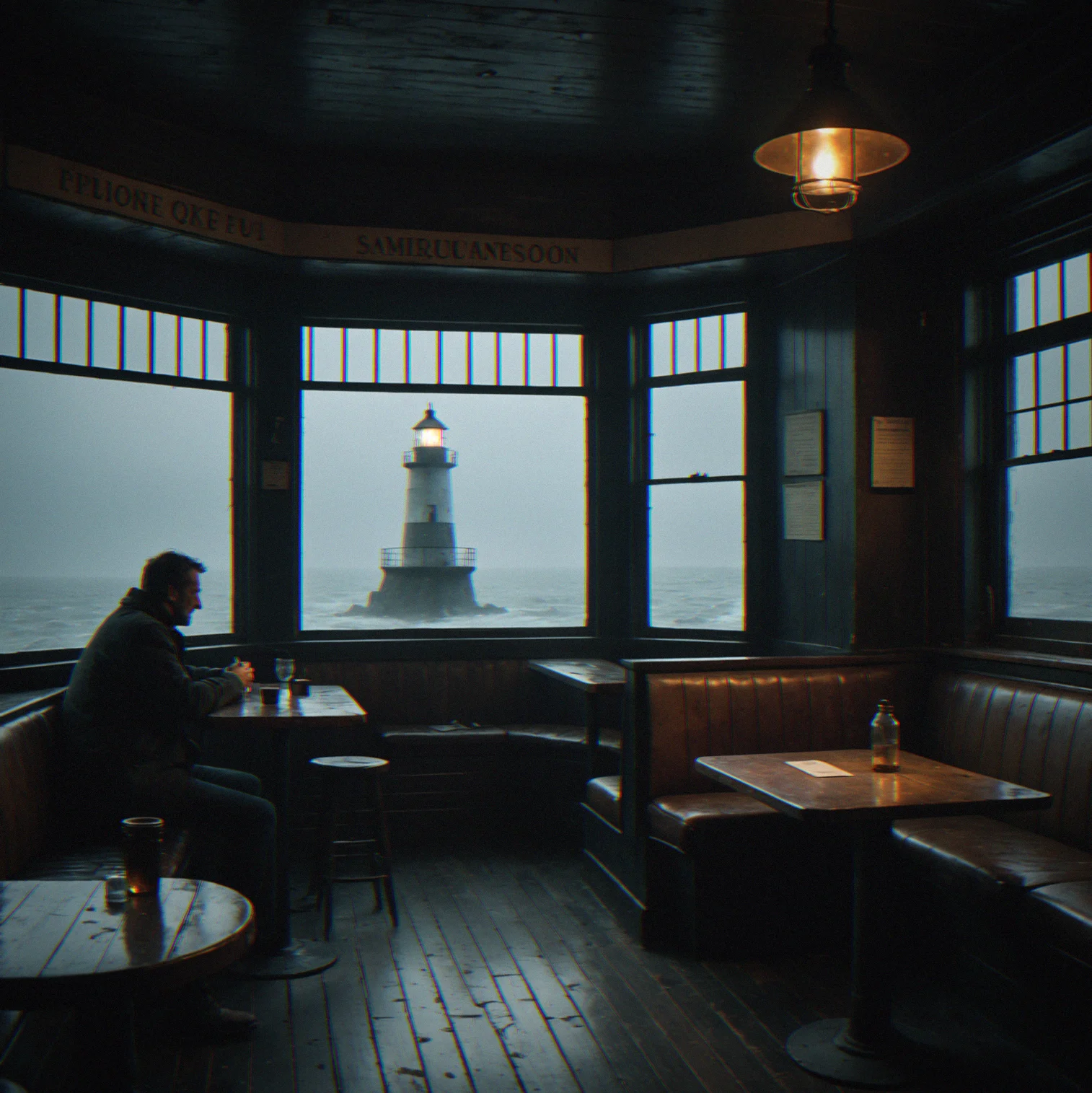
No quest log breathing down your neck. No glowing hotspots pointing you where to look. No checklist of objectives. You have to read the space itself. Listen to what people tell you. Pull apart the timelines. Realize the harbormaster, the innkeeper, and the librarian all described the same moment but got the details different. The real investigation happens in what you pay attention to.
Environmental Storytelling
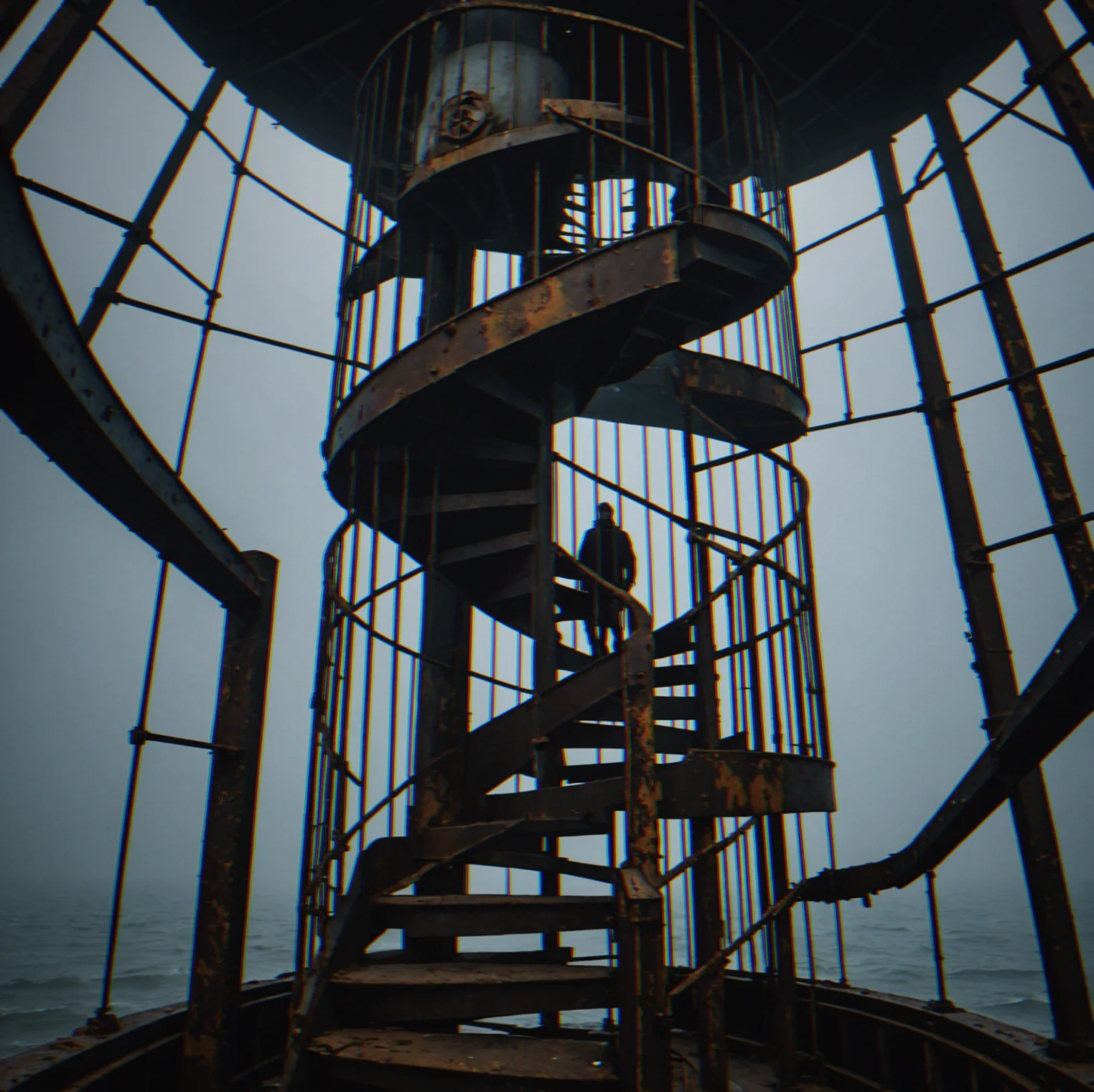
Small things carry weight. A handwritten note tucked in a desk. Initials scratched into the pier railing from years back. What someone kept versus what they threw away. The building itself becomes a witness to what went down.
Consequence Is Final
One save file. You don't get a do-over. Accuse the wrong person and the ending warps toward something darker and stranger. Miss a crucial detail. Never talk to someone you should have. Those choices remake the whole thing—and they stick.
Three Distinct Endings
They're not ranked or sorted into good and bad buckets. Each one grows out of which facts you dug up first, who you trusted when the stories didn't match, and what you decided was worth your time versus what you let slide.
8–12 Hours Per Playthrough
Honestly depends on how you move through it. Your first time takes longer because you're learning the town, learning the people. A second run? Faster. You know where to dig.
No Combat, No Timers
Neither one exists. The pressure comes from the conversations themselves, from knowing your choices matter, and from carrying the weight of what you decide to believe.